

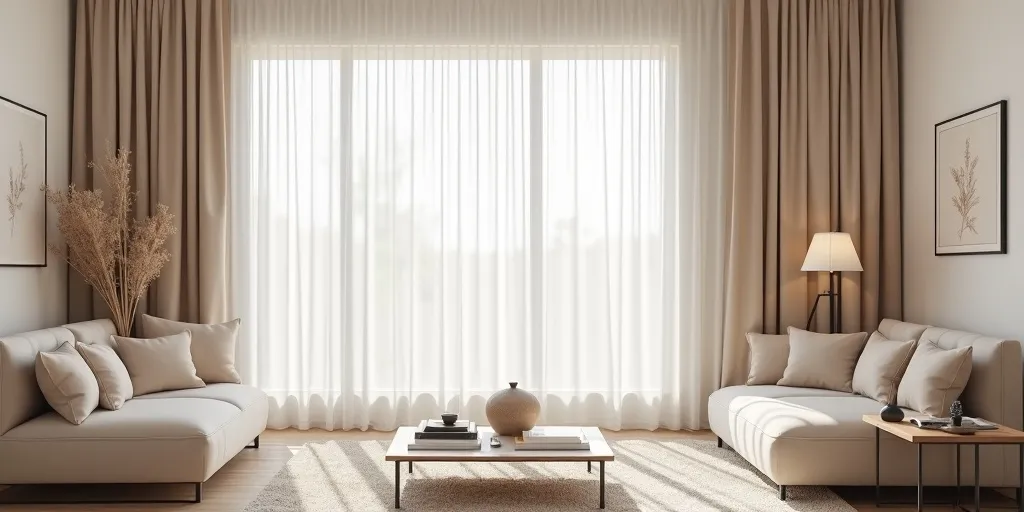


When it comes to matching curtains in a living room, there are a few key factors to consider in order to achieve a cohesive and stylish look. First, you’ll want to take into account the overall color scheme of the room.
Choose curtains that complement the existing colors in the space, whether that means selecting a shade that matches the walls or opting for a contrasting color that adds visual interest. Additionally, consider the style of the room and the mood you want to create. For a more formal look, choose curtains with a luxurious fabric like silk or velvet, while a casual space might benefit from lightweight linen or cotton curtains.
Another important consideration is the length and fullness of the curtains. Floor-length curtains can make a room feel more elegant and spacious, while shorter curtains can create a more relaxed vibe. Finally, don’t forget to think about the pattern or texture of the curtains.
A subtle pattern can add depth to a room, while a bold print can make a statement. By carefully considering these factors, you can create a harmonious and visually appealing living room design with perfectly matched curtains.
What factors should be considered when matching curtains in a living room?
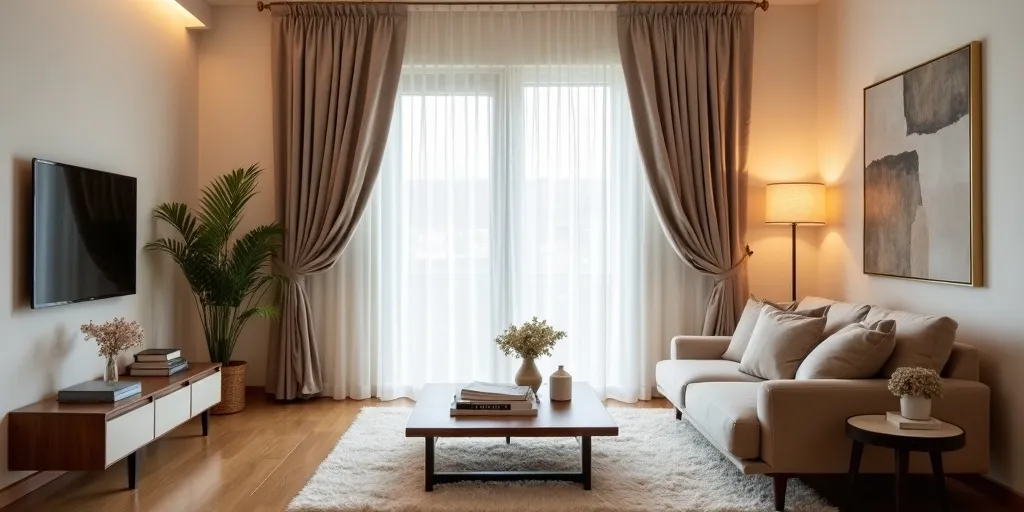
When matching curtains in a living room, several factors should be considered to ensure a cohesive and visually appealing design. First and foremost, the color and pattern of the curtains should complement the existing color scheme and decor of the room.
It is important to choose curtains that either blend in with the walls and furniture or provide a contrasting pop of color to add visual interest. Additionally, the length and style of the curtains should be chosen based on the overall aesthetic of the room. For example, floor-length curtains can create a sense of elegance and luxury, while shorter curtains can give a more casual and relaxed feel.
The fabric of the curtains is also an important consideration, as heavier fabrics can provide insulation and privacy, while lighter fabrics can allow more natural light to filter through.
Lastly, the hardware used to hang the curtains, such as rods and tie-backs, should also be taken into account to ensure they complement the overall design of the room. By carefully considering these factors, you can create a harmonious and stylish look for your living room with the perfect curtains.
How can curtains complement the color scheme of a living room?
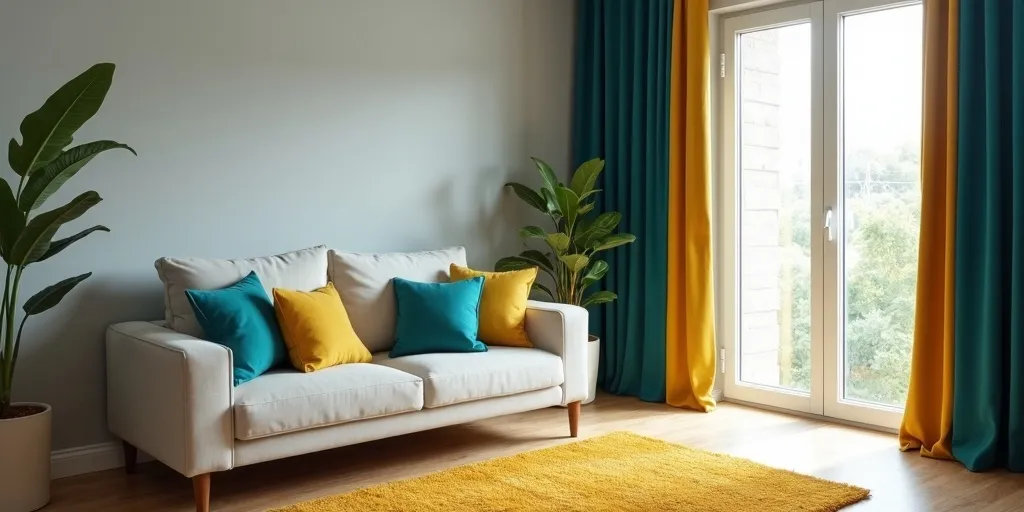
Curtains can play a crucial role in complementing the color scheme of a living room by adding depth, texture, and visual interest to the space. When selecting curtains, it is important to consider the existing color palette of the room.
For example, if the walls are painted in a neutral tone such as beige or gray, curtains in a bold color like navy blue or emerald green can create a striking contrast and add a pop of color to the room. On the other hand, if the walls are already painted in a vibrant hue, opting for curtains in a complementary shade or a subtle pattern can help tie the room together and create a cohesive look.
Additionally, the fabric of the curtains can also impact the overall aesthetic of the room. Light and airy fabrics like sheer or linen curtains can make a small room feel more spacious, while heavier fabrics like velvet or silk can add a touch of luxury and warmth to a larger space.
By carefully selecting curtains that complement the color scheme of the living room, you can enhance the overall design and create a harmonious and inviting atmosphere for both residents and guests.
What fabric choices are suitable for creating a formal look with curtains?
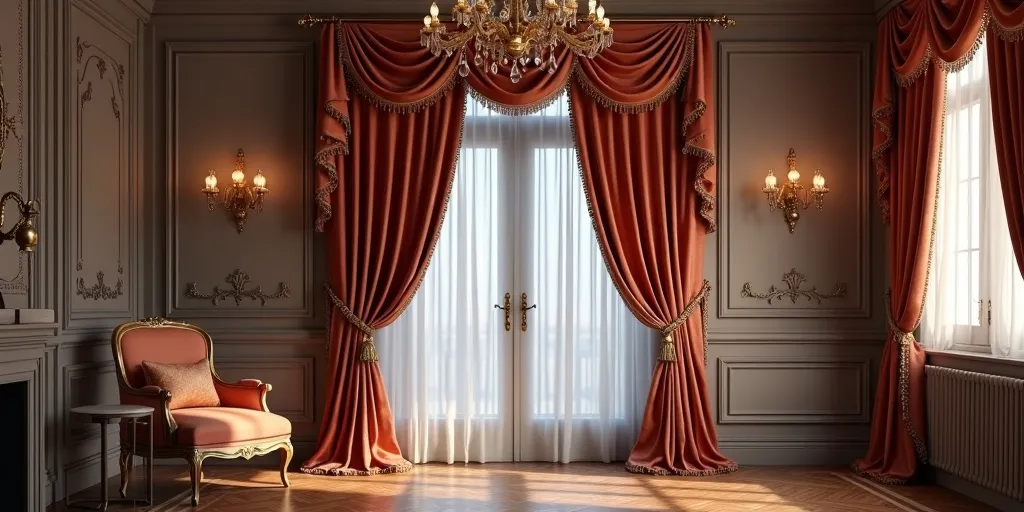
When aiming to create a formal look with curtains, it is essential to choose fabrics that exude elegance and sophistication. Some suitable fabric choices for achieving this formal aesthetic include silk, velvet, and damask. Silk curtains are known for their luxurious sheen and drape beautifully, adding a touch of opulence to any room.
Velvet curtains, with their plush texture and rich colors, create a sense of grandeur and warmth, perfect for formal settings. Damask, a woven fabric with intricate patterns, offers a classic and refined look that is ideal for formal spaces.
Additionally, fabrics like satin and brocade can also be great options for formal curtains, as they have a lustrous finish and intricate designs that elevate the overall look of the room. When selecting fabric for formal curtains, it is important to consider the weight, texture, and color to ensure they complement the decor and create a cohesive and elegant atmosphere.
By choosing the right fabric, you can easily achieve a formal and sophisticated look with your curtains.
How do curtain length and fullness impact the overall feel of a room?
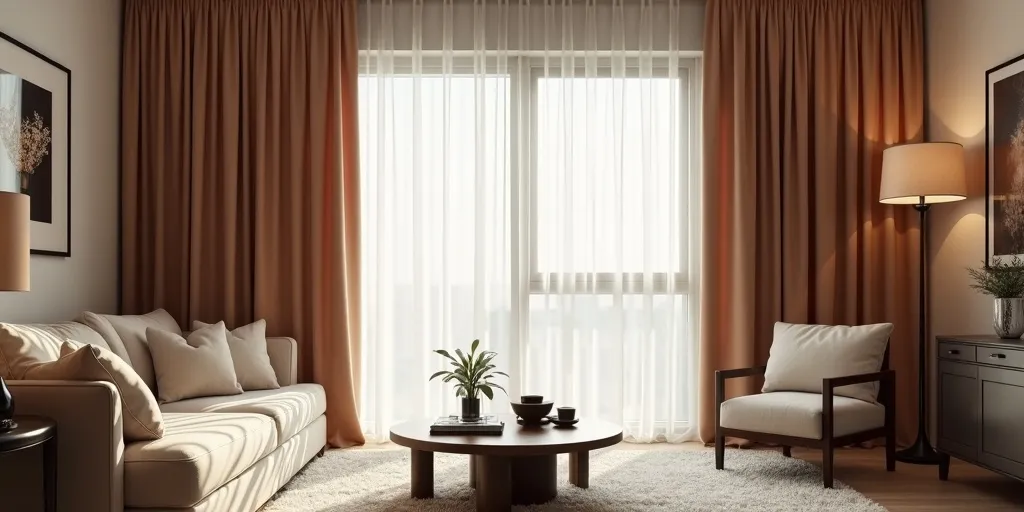
The length and fullness of curtains can significantly impact the overall feel of a room. The length of curtains can create an illusion of height and space in a room. Floor-length curtains can make a room feel more elegant and formal, while shorter curtains can give a more casual and relaxed vibe.
Additionally, curtains that are too short or too long can make a room feel unbalanced or awkward. The fullness of curtains, or the amount of fabric used, can also affect the overall look of a room. Full curtains can add a sense of luxury and opulence, while sheer or lightweight curtains can create a more airy and open feel.
The fullness of curtains can also impact the amount of natural light that enters a room, as well as the level of privacy they provide. Ultimately, the length and fullness of curtains should be chosen based on the desired aesthetic and functionality of the room, taking into consideration factors such as the size of the windows, the height of the ceilings, and the overall style of the space.
By carefully selecting the right curtain length and fullness, you can enhance the overall feel and ambiance of a room.
What role do patterns and textures play in choosing curtains for a living room?
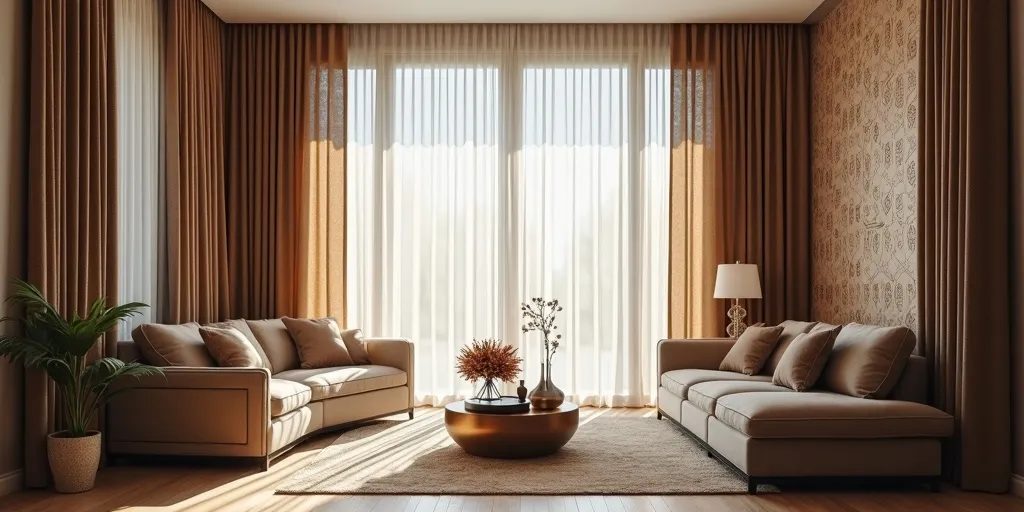
When choosing curtains for a living room, patterns and textures play a crucial role in enhancing the overall aesthetic appeal of the space. Patterns can add visual interest and personality to the room, whether through bold geometric prints, delicate floral designs, or classic stripes.
The choice of pattern can also help tie together different elements of the room’s decor, such as coordinating with the colors of the walls, furniture, or accessories. Additionally, patterns can create a sense of balance and harmony in the room, making it feel more cohesive and inviting.
Textures, on the other hand, can add depth and dimension to the curtains, creating a tactile element that can make the room feel more cozy and inviting. Textured fabrics like velvet, silk, or linen can add a touch of luxury and sophistication to the space, while sheer or lightweight fabrics can create an airy and light-filled atmosphere.
The choice of texture can also impact the functionality of the curtains, with heavier fabrics providing more privacy and insulation, while lighter fabrics allow more natural light to filter through. Overall, patterns and textures are essential considerations when choosing curtains for a living room, as they can greatly influence the look and feel of the space.
How can curtains contribute to creating a cohesive and stylish living room design?
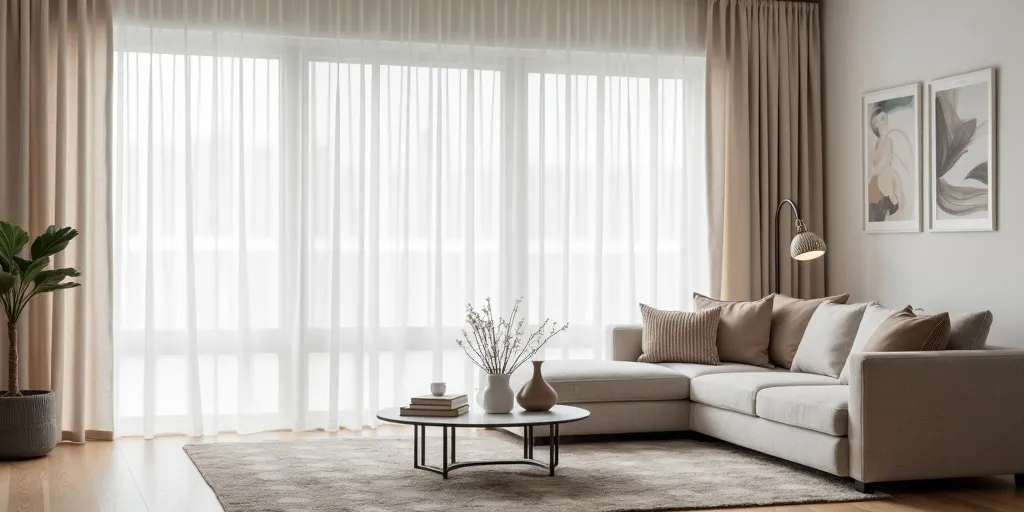
Curtains play a crucial role in creating a cohesive and stylish living room design by adding texture, color, and dimension to the space. By carefully selecting the right curtains, you can tie together the various elements of your living room, such as furniture, wall color, and decor, to create a harmonious and visually appealing look.
For example, choosing curtains that complement the color scheme of your living room can help create a cohesive and unified design. Additionally, curtains with interesting patterns or textures can add visual interest and depth to the room, making it feel more dynamic and inviting.
Moreover, the length and style of the curtains can also impact the overall aesthetic of the space. Floor-length curtains can make the room feel more elegant and formal, while shorter curtains can create a more casual and relaxed atmosphere.
Overall, curtains are a versatile design element that can enhance the style and ambiance of your living room, making it a more cohesive and visually appealing space.
What considerations should be made to ensure curtains match the style and mood of a living room?
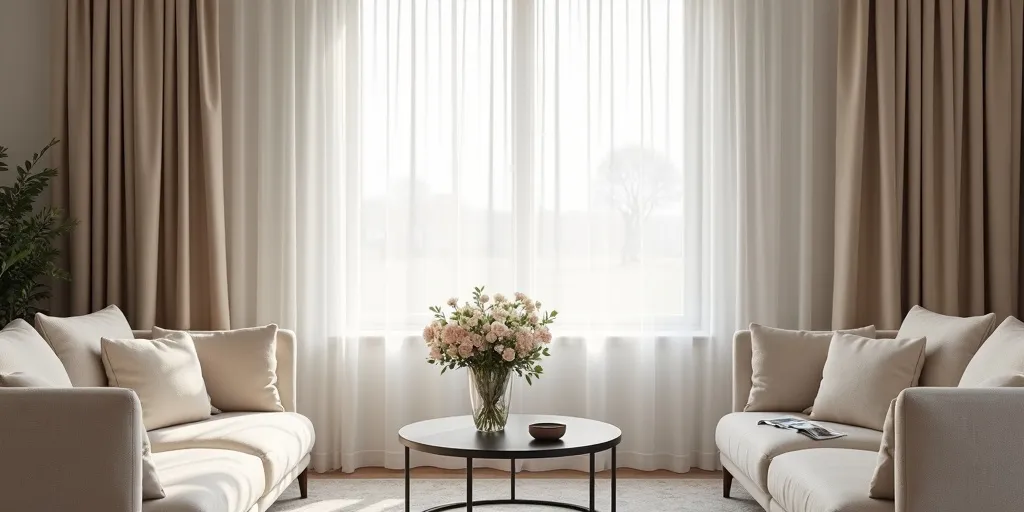
When selecting curtains to match the style and mood of a living room, several considerations should be made. Firstly, it is important to take into account the overall design aesthetic of the room. For example, if the living room has a modern and minimalist style, choosing curtains with clean lines and simple patterns would be more suitable.
On the other hand, if the room has a more traditional or eclectic style, curtains with intricate designs or luxurious fabrics may be more appropriate. Additionally, the color of the curtains should complement the existing color scheme of the room.
Selecting curtains in a color that either matches or contrasts with the walls, furniture, and accessories can help tie the room together and create a cohesive look. Furthermore, the length and fullness of the curtains can also impact the overall style of the room.
Floor-length curtains can add a touch of elegance and drama, while shorter curtains can create a more casual and relaxed atmosphere. By considering these factors, you can ensure that the curtains in your living room enhance the style and mood of the space.