

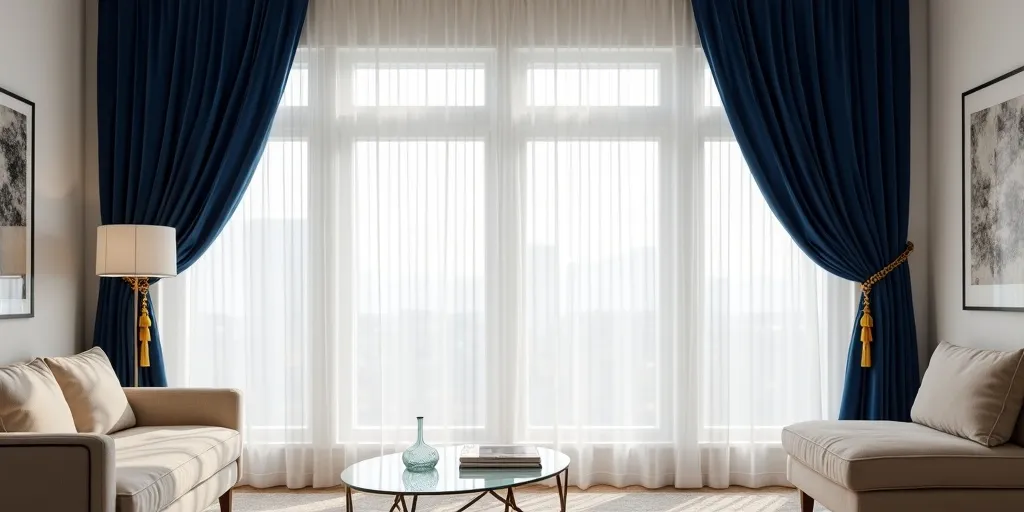


When arranging curtains for a living room, there are several key factors to consider in order to achieve a cohesive and visually appealing look. Firstly, it is important to measure the height and width of your windows to determine the appropriate size of curtains needed.
For a more formal and elegant look, curtains should ideally touch the floor or have a slight break, while a more casual style may involve curtains that hover just above the floor. Additionally, the type of fabric and color of the curtains can greatly impact the overall aesthetic of the room.
Lighter fabrics can create a sense of airiness and brightness, while heavier fabrics can add warmth and coziness. Choosing a color that complements the existing decor and furniture in the room is also crucial.
In terms of hanging style, consider whether you want to use curtain rods, tracks, or rings, and ensure that the curtains are hung evenly and symmetrically. Lastly, consider adding tie-backs or holdbacks to allow natural light to filter in during the day and to create a more polished look when the curtains are drawn.
By carefully considering these elements, you can create a well-designed and harmonious living room space with your curtains.
What factors should be considered when measuring curtains for a living room?
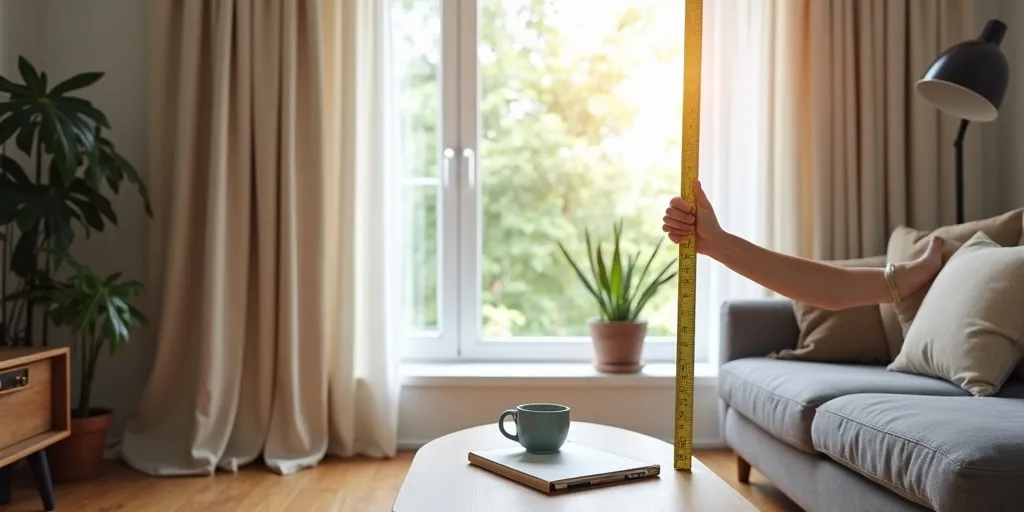
When measuring curtains for a living room, several factors should be taken into consideration to ensure a perfect fit and a polished look. First and foremost, the length of the curtains is crucial. Measure from the top of the curtain rod to where you want the curtains to fall – whether it’s just below the windowsill or all the way to the floor for a more dramatic effect.
Next, consider the width of the curtains. Measure the width of the window and add extra inches on each side to allow for proper fullness when the curtains are closed.
Additionally, take into account the style of the curtains – whether you prefer a tailored look with minimal gathering or a more voluminous appearance with extra fabric. It’s also important to consider the fabric of the curtains, as heavier fabrics may require more width to hang properly. Lastly, think about the hardware you will be using to hang the curtains, as this may affect the measurements needed.
By carefully considering these factors, you can ensure that your curtains will fit perfectly and enhance the overall aesthetic of your living room.
How does the type of fabric and color of curtains impact the room’s aesthetic?
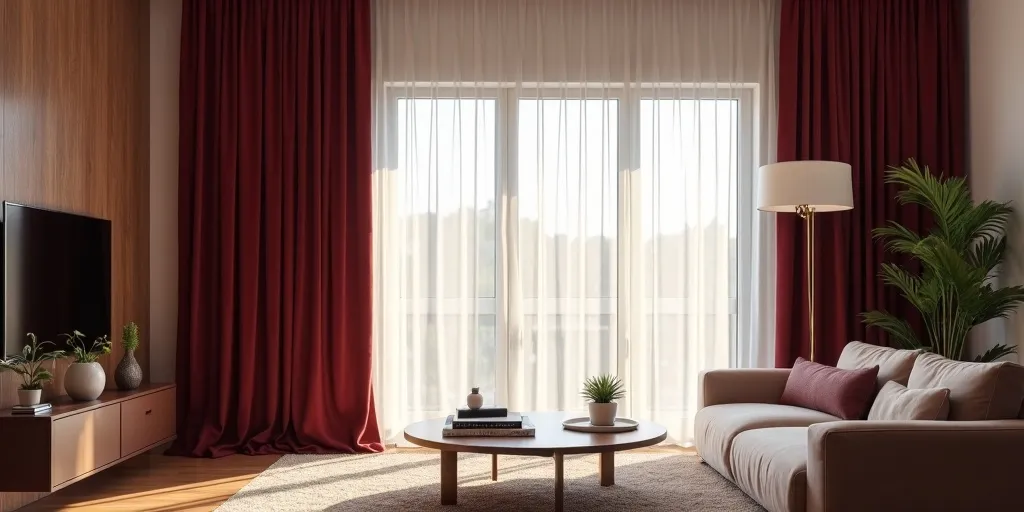
The type of fabric and color of curtains can have a significant impact on the overall aesthetic of a room. The fabric choice can determine the level of light filtration, texture, and overall feel of the space. For example, sheer fabrics like chiffon or voile can create a light and airy atmosphere, allowing natural light to filter through while still providing some privacy.
On the other hand, heavier fabrics like velvet or brocade can add a sense of luxury and warmth to a room, perfect for creating a cozy and intimate ambiance.
In addition to fabric choice, the color of curtains can also play a crucial role in the room’s aesthetic.
Lighter colors like white, cream, or pastels can make a room feel more spacious and bright, while darker colors like navy, burgundy, or charcoal can add drama and sophistication. Bold patterns or prints can also make a statement and add personality to a space.
Ultimately, the type of fabric and color of curtains should be chosen based on the desired mood and style of the room, whether it be modern, traditional, eclectic, or minimalist. By carefully selecting the right fabric and color, curtains can enhance the overall aesthetic of a room and tie together its design elements seamlessly.
What are the different hanging styles for curtains in a living room?
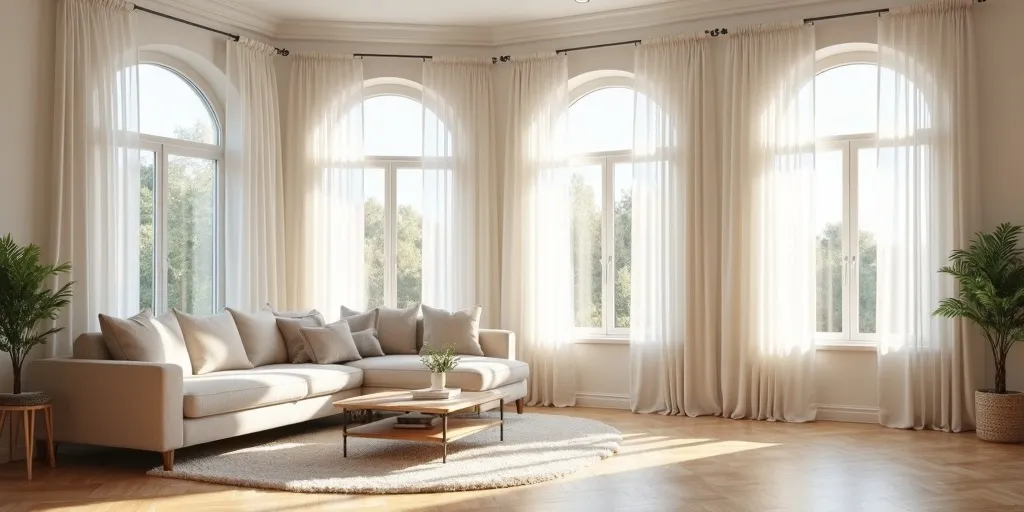
When it comes to hanging curtains in a living room, there are several different styles to choose from depending on the look and functionality you want to achieve. One popular option is the traditional rod pocket style, where the curtain rod is threaded through a pocket at the top of the curtain panel.
This style creates a classic and clean look, perfect for a more formal living room setting. Another option is the grommet style, where the curtain panel has metal rings at the top that slide onto the curtain rod. This style creates a modern and sleek look, ideal for a contemporary living room design.
Additionally, there is the tab top style, where fabric loops are sewn onto the top of the curtain panel and the rod is threaded through these loops. This style offers a casual and relaxed look, great for a cozy and inviting living room atmosphere.
Overall, the different hanging styles for curtains in a living room allow for customization and versatility to suit your personal style and decor preferences.
Why is it important to use tie-backs or holdbacks when arranging curtains in a living room?

It is important to use tie-backs or holdbacks when arranging curtains in a living room for several reasons. Firstly, tie-backs or holdbacks help to keep the curtains neatly in place, preventing them from billowing or getting tangled up.
This not only enhances the overall appearance of the room but also ensures that the curtains are functional and serve their purpose of providing privacy and controlling light. Additionally, tie-backs or holdbacks can also help to create a more polished and cohesive look in the room by adding a decorative element that complements the curtains and ties the room’s decor together.
Furthermore, tie-backs or holdbacks can be adjusted to control the amount of light that enters the room, allowing for flexibility in terms of ambiance and privacy.
Overall, using tie-backs or holdbacks when arranging curtains in a living room is essential for both practical and aesthetic reasons, helping to maintain a tidy and stylish living space while also ensuring that the curtains function effectively.