

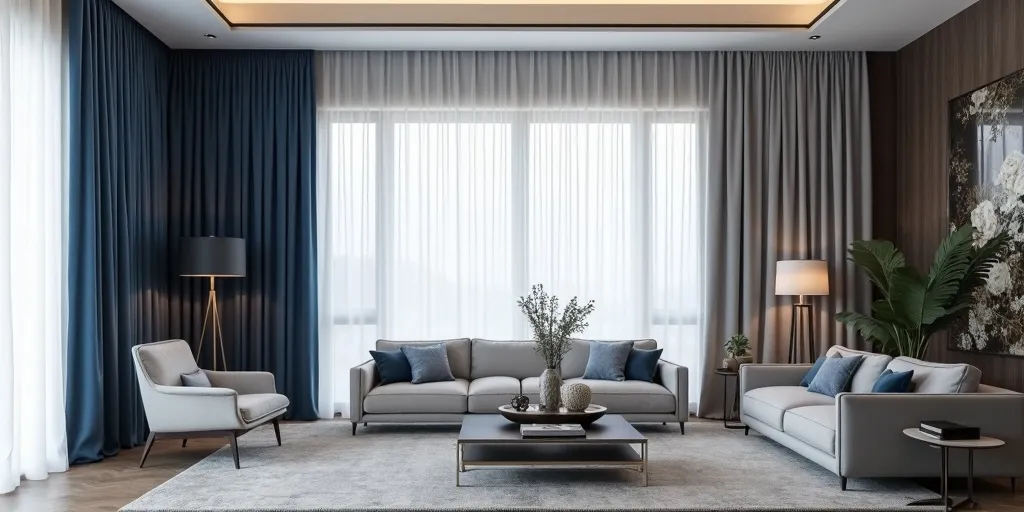


Dining and living room curtains do not necessarily need to match. While some people prefer a cohesive look throughout their home, mixing and matching curtains can actually add visual interest and personality to a space. It is important to consider the overall style and color scheme of the rooms when choosing curtains.
For example, if your dining room features bold, patterned curtains, you may want to opt for more subtle, solid-colored curtains in the living room to create a balanced look. Alternatively, you could choose curtains in complementary colors or patterns to tie the two rooms together without being too matchy-matchy.
Ultimately, the decision to match or mix curtains in your dining and living rooms comes down to personal preference and the overall aesthetic you are trying to achieve in your home.
Experimenting with different combinations can help you find the perfect balance between cohesion and individuality in your decor.
How can mixing and matching curtains in dining and living rooms add visual interest?
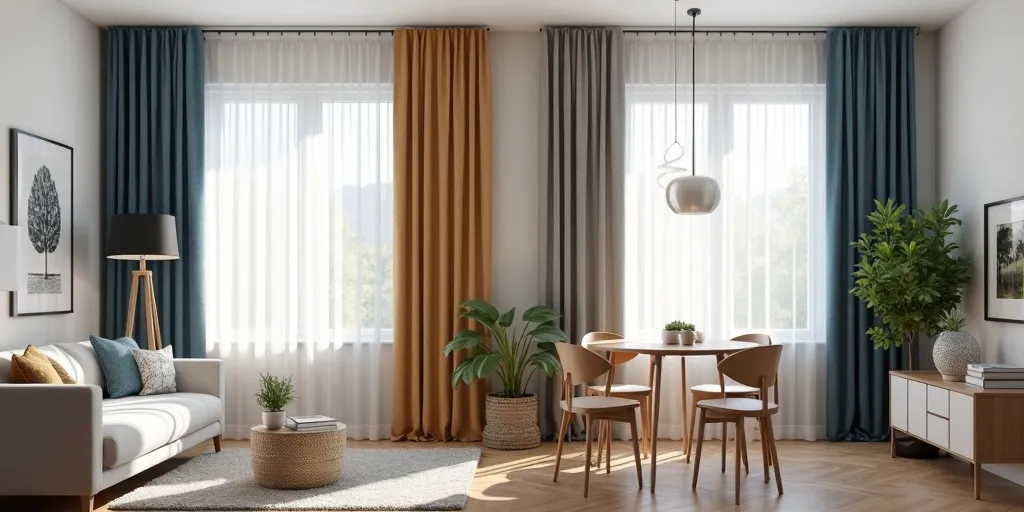
Mixing and matching curtains in dining and living rooms can add visual interest by creating a dynamic and layered look that enhances the overall aesthetic of the space. By combining different colors, patterns, textures, and lengths of curtains, you can add depth and dimension to the room, making it more visually appealing.
For example, pairing solid colored curtains with patterned ones can create a striking contrast that draws the eye and adds a touch of sophistication to the room. Additionally, mixing different types of fabrics, such as sheer and opaque curtains, can play with light and create a sense of airiness and warmth in the space.
By experimenting with various curtain styles, you can personalize the room and showcase your unique design sensibility.
Overall, mixing and matching curtains in dining and living rooms is a creative way to add visual interest, elevate the decor, and make a stylish statement that reflects your personality and taste.
What factors should be considered when choosing curtains for dining and living rooms?
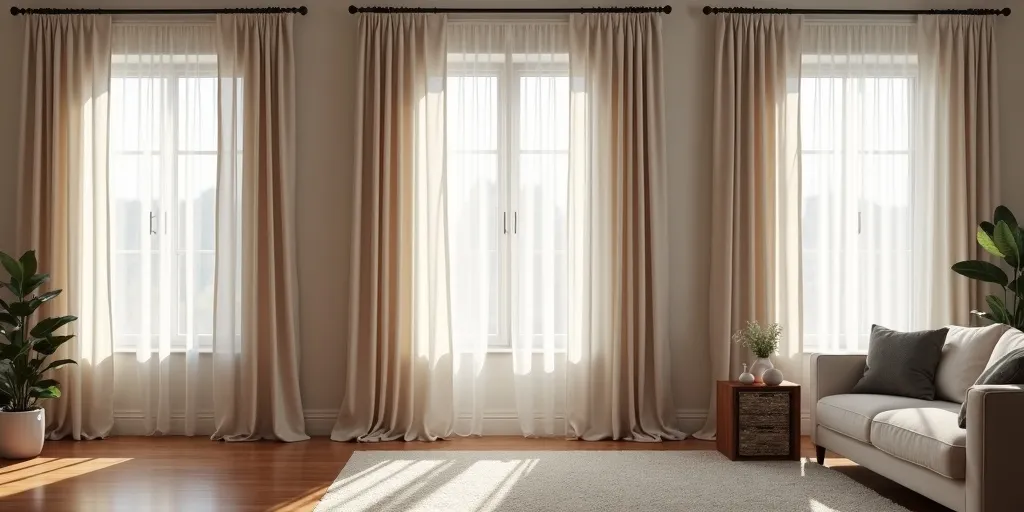
When choosing curtains for dining and living rooms, several factors should be considered to ensure that they complement the overall aesthetic and functionality of the space. Firstly, the size and shape of the windows in the rooms should be taken into account to determine the appropriate length and width of the curtains.
It is important to choose curtains that are long enough to reach the floor but not too long that they bunch up or drag on the ground. Additionally, the color and pattern of the curtains should be selected to coordinate with the existing decor and color scheme of the rooms.
Neutral colors or subtle patterns are often a safe choice as they can easily blend in with different styles and furniture. The fabric of the curtains is another important factor to consider, as heavier fabrics like velvet or silk can add a touch of luxury to the rooms, while lighter fabrics like linen or cotton can create a more casual and airy feel.
Lastly, the functionality of the curtains should be taken into consideration, such as whether they need to provide privacy, block out light, or insulate the rooms. By carefully considering these factors, you can choose curtains that enhance the dining and living rooms while also serving their practical purposes.
Why is it important to balance the style and color scheme of curtains in different rooms?
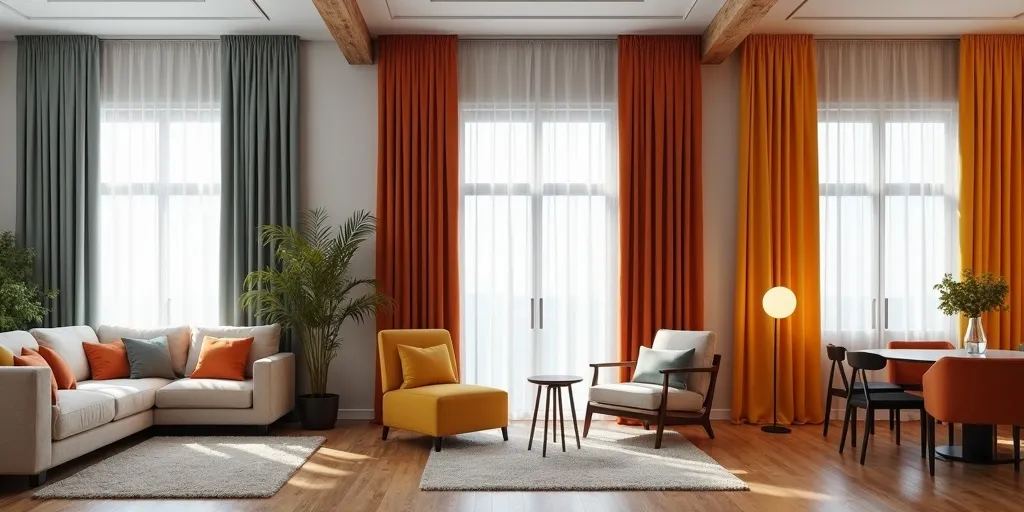
It is important to balance the style and color scheme of curtains in different rooms for several reasons. Firstly, curtains play a significant role in enhancing the overall aesthetic appeal of a room. By carefully selecting curtains that complement the existing decor, you can create a cohesive and harmonious look that ties the room together.
Additionally, curtains can also help set the mood and ambiance of a space. For example, light and airy curtains can make a room feel more open and spacious, while heavy and dark curtains can create a cozy and intimate atmosphere.
Furthermore, the style and color of curtains can also impact the natural light and privacy levels in a room. Light-colored curtains can help reflect natural light, making a room feel brighter and more inviting, while darker curtains can provide better privacy and light control.
By balancing the style and color scheme of curtains in different rooms, you can ensure that each space feels well-designed and thoughtfully curated. Ultimately, paying attention to these details can make a significant difference in the overall look and feel of your home.
What role does personal preference play in deciding whether curtains should match in dining and living rooms?
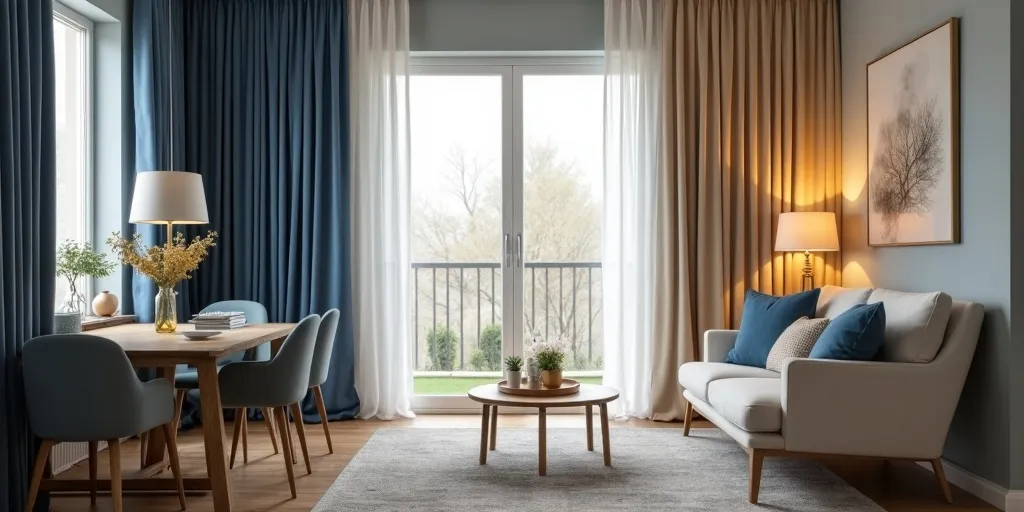
Personal preference plays a significant role in deciding whether curtains should match in dining and living rooms. While some individuals may prefer a cohesive and uniform look throughout their home, others may opt for a more eclectic and personalized approach.
Matching curtains can create a sense of continuity and flow between the two spaces, making the overall design feel more cohesive and put-together. On the other hand, mixing and matching curtains can add visual interest and personality to each room, allowing for more creativity and individuality in the decor.
Ultimately, the decision to match or mix curtains in the dining and living rooms comes down to personal style and preference. Some may prefer a more traditional and coordinated look, while others may enjoy experimenting with different patterns, colors, and textures.
It is essential to consider factors such as the overall aesthetic of the home, the desired atmosphere of each room, and personal taste when making this decision. By taking personal preference into account, individuals can create a space that reflects their unique style and personality.