

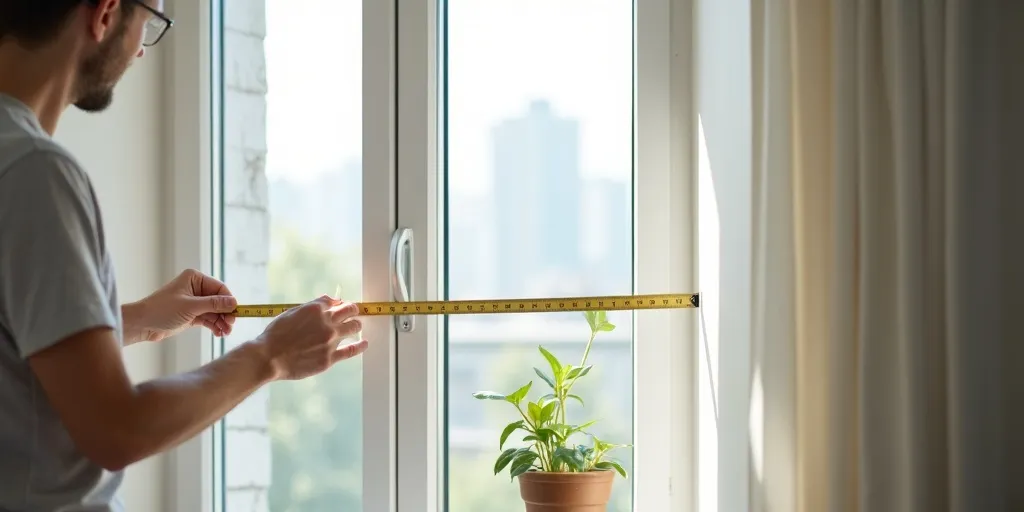


To measure for blackout curtains, start by measuring the width of your window from one side to the other. For optimal light blockage, add an extra 4-8 inches to each side of the window frame. Next, measure the length of the window from the top of the frame to where you want the curtains to fall.
For floor-length curtains, measure from the top of the frame to the floor. If you want the curtains to hang just above the floor, subtract 1 inch from your measurement. Once you have these measurements, you can determine the size of blackout curtains you need to purchase.
Keep in mind that blackout curtains are typically sold in pairs, so make sure to divide the total width measurement by two to determine the width of each panel. Additionally, consider the type of curtain rod you have and whether you want the curtains to hang straight or with a slight gather.
By following these steps, you can accurately measure for blackout curtains that will provide maximum light blockage and enhance the overall aesthetic of your space.
What is the first step in measuring for blackout curtains?
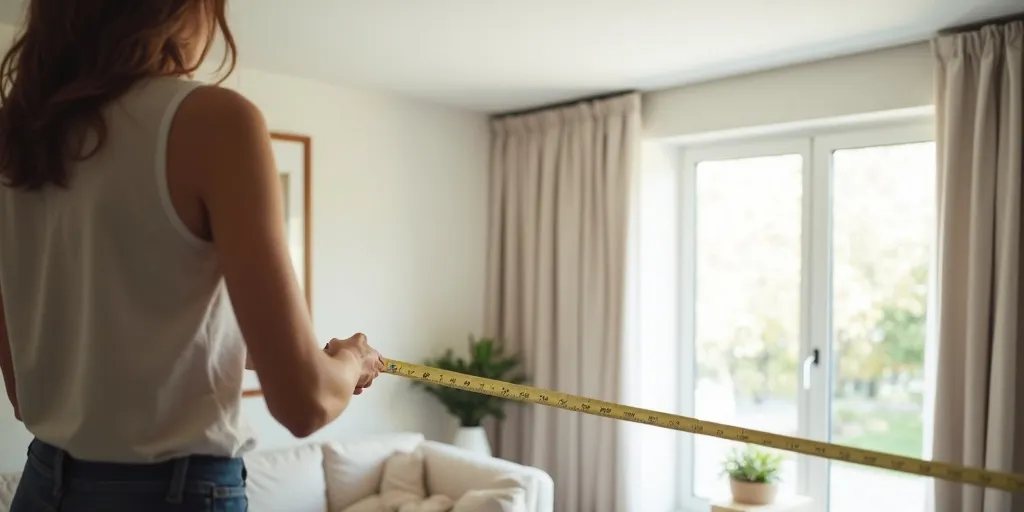
The first step in measuring for blackout curtains is to accurately measure the width of the window or area where the curtains will be installed. To do this, use a metal tape measure and measure the width of the window from one side to the other.
It is important to measure the width at three different points: the top, middle, and bottom of the window, as windows can sometimes be slightly uneven. Once you have these measurements, take the largest one as your final width measurement. Next, measure the length of the window from the top to the bottom, again taking measurements at three different points and using the largest measurement as your final length.
It is also important to consider how high above the window you want the curtains to hang and add this measurement to the length. By accurately measuring the width and length of the window, you can ensure that your blackout curtains will fit properly and provide maximum light-blocking benefits.
How much extra width should be added to each side of the window frame for optimal light blockage?
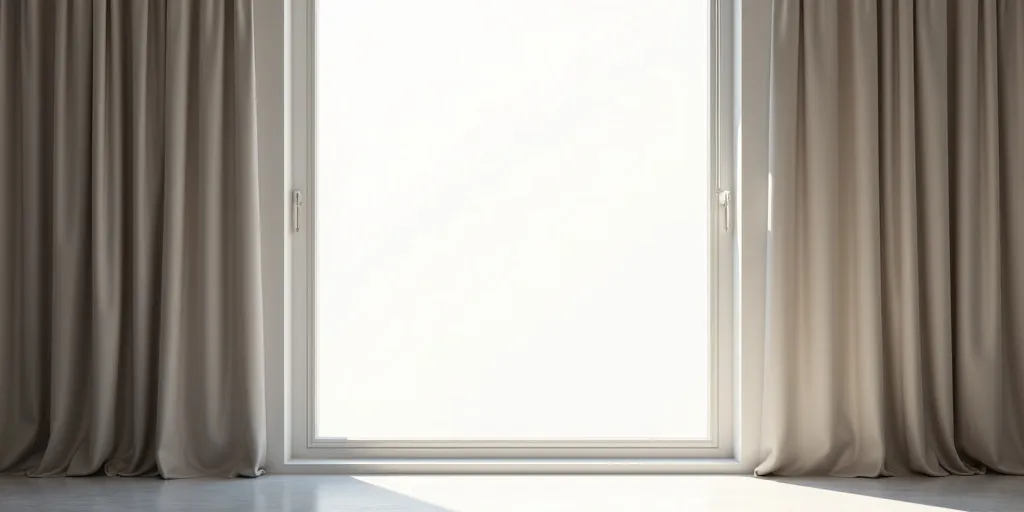
When considering how much extra width to add to each side of a window frame for optimal light blockage, it is important to take into account the type of window treatment being used. For curtains or drapes, it is recommended to add an extra 4-6 inches on each side of the window frame to ensure that the fabric can fully cover the window when closed.
This additional width helps to prevent any light from seeping through the sides of the window treatment. For blinds or shades, a smaller amount of extra width may be sufficient, typically around 2-3 inches on each side.
This allows for the blinds or shades to fully cover the window opening without leaving any gaps for light to enter. It is also important to consider the depth of the window frame and the thickness of the window treatment when determining how much extra width to add.
By following these guidelines, you can effectively block out unwanted light and create a more comfortable and private environment in your space.
How do you measure the length of the window for blackout curtains?
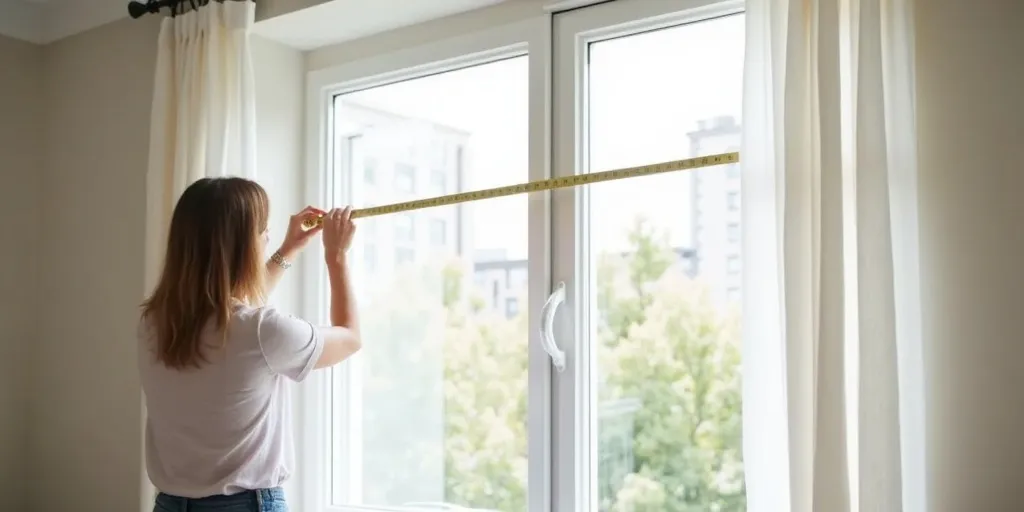
To measure the length of the window for blackout curtains, you will need a measuring tape or ruler. Start by measuring the height of the window from the top of the window frame to the bottom. Make sure to measure from the inside of the frame for a more accurate fit.
If you want the curtains to hang slightly above the floor, add a few extra inches to your measurement. Next, measure the width of the window by measuring from one side of the frame to the other. Again, measure from the inside of the frame for accuracy. If you want the curtains to cover the entire window when closed, add a few extra inches to your width measurement.
Once you have these measurements, you can use them to select the appropriate size of blackout curtains for your window. It is important to measure carefully to ensure that the curtains will fit properly and provide maximum light-blocking benefits.
What is the difference in measurement for floor-length curtains versus curtains just above the floor?
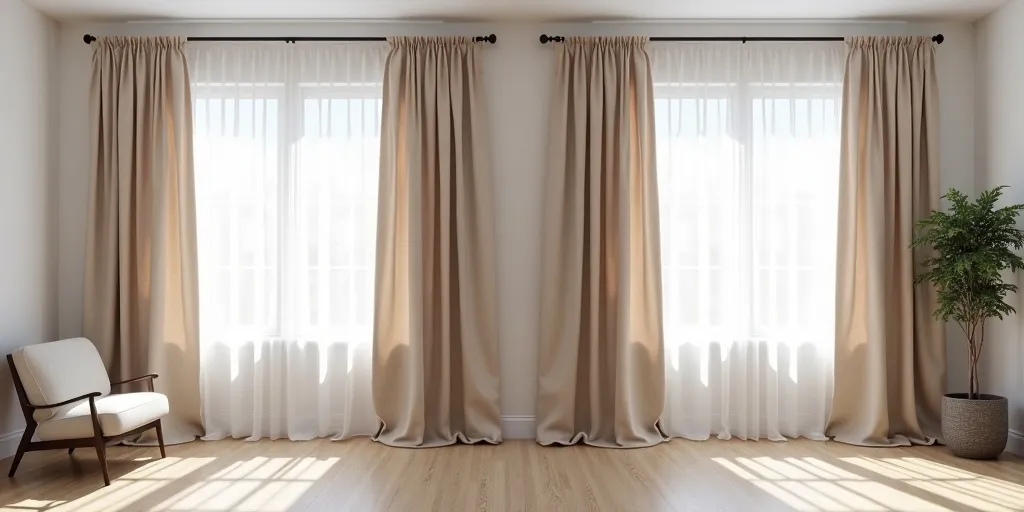
The difference in measurement for floor-length curtains versus curtains just above the floor lies in the length of the curtains themselves. Floor-length curtains typically reach all the way to the floor, covering the entire length of the window and extending down to the ground.
This measurement is usually around 84 inches or longer, depending on the height of the window and the desired look. On the other hand, curtains that are just above the floor are slightly shorter in length, usually hanging about 1-2 inches above the floor. This measurement is typically around 1 inch off the ground to prevent the curtains from dragging or collecting dust.
The choice between floor-length curtains and curtains just above the floor often depends on personal preference and the overall aesthetic of the room. Floor-length curtains can create a more formal and elegant look, while curtains just above the floor can give a more casual and relaxed feel.
Ultimately, the difference in measurement between the two styles of curtains comes down to how much fabric is needed to achieve the desired look and functionality for the space.
How can you determine the size of blackout curtains needed based on measurements?
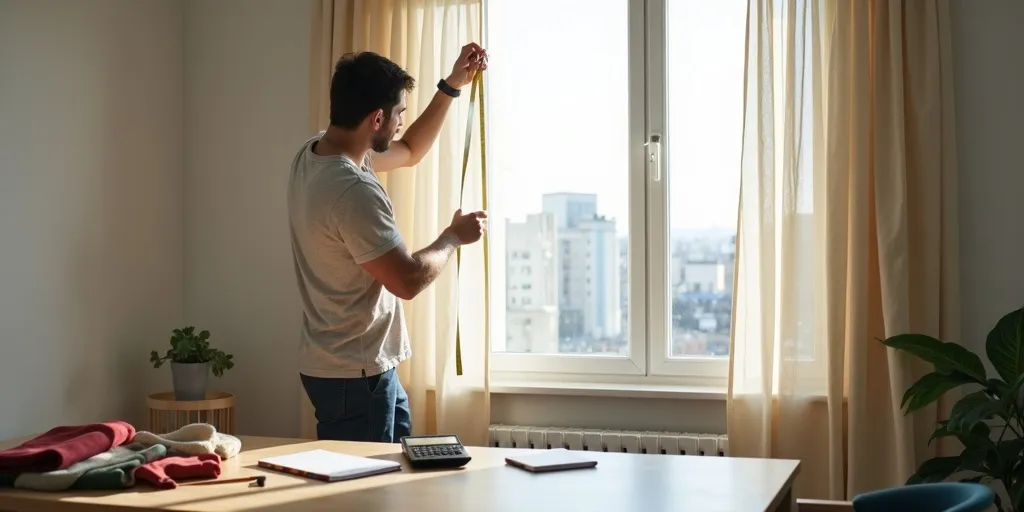
To determine the size of blackout curtains needed based on measurements, you will first need to measure the width of your window. Start by measuring the width of the window frame from one side to the other. Next, measure the length of the window from the top of the frame to the bottom.
Once you have these measurements, add a few extra inches to both the width and length to ensure that the curtains will fully cover the window and provide maximum light-blocking capabilities. It is also important to consider the type of curtain rod you will be using, as this will affect the overall width of the curtains needed.
If you are using a standard curtain rod, you may need to add a few extra inches to the width to allow the curtains to hang properly. Additionally, consider the desired fullness of the curtains – if you prefer a more gathered look, you may need to purchase curtains that are wider than the actual window measurements.
By following these steps and taking these factors into account, you can accurately determine the size of blackout curtains needed for your windows.
Why is it important to divide the total width measurement by two when purchasing blackout curtains?
It is important to divide the total width measurement by two when purchasing blackout curtains because blackout curtains are typically sold in pairs. By dividing the total width measurement by two, you can ensure that each curtain panel will cover half of the window’s width when closed.
This is essential for achieving maximum light-blocking and privacy benefits. Additionally, dividing the total width measurement by two allows you to determine the correct size of each curtain panel needed to cover the entire window effectively.
By following this step, you can avoid purchasing curtains that are too small or too large for your window, which can result in gaps where light can enter or an awkward, bunched-up appearance. Ultimately, dividing the total width measurement by two when purchasing blackout curtains is a crucial step in ensuring that you select the right size curtains for your window, allowing you to enjoy the full benefits of light-blocking and privacy that blackout curtains provide.
What should you consider when determining the type of curtain rod for blackout curtains?
When determining the type of curtain rod for blackout curtains, there are several factors to consider. Firstly, you should take into account the weight of the blackout curtains. Heavier curtains will require a sturdier and more durable curtain rod to support their weight without sagging or bending.
Additionally, the length and width of the curtains will also play a role in selecting the appropriate rod. Make sure to measure the width of the window and the length of the curtains to ensure that the rod is long enough to cover the entire window and provide adequate coverage for maximum light-blocking capabilities.
Another important consideration is the style and design of the curtain rod. Choose a rod that complements the aesthetic of the blackout curtains and the overall decor of the room. Finally, consider the installation process and whether you prefer a rod that is mounted on the wall or ceiling, or one that is tension-mounted for easy installation and removal.
By taking these factors into account, you can select the perfect curtain rod for your blackout curtains that not only provides functionality but also enhances the visual appeal of your space.
How can you ensure blackout curtains hang straight or with a slight gather?
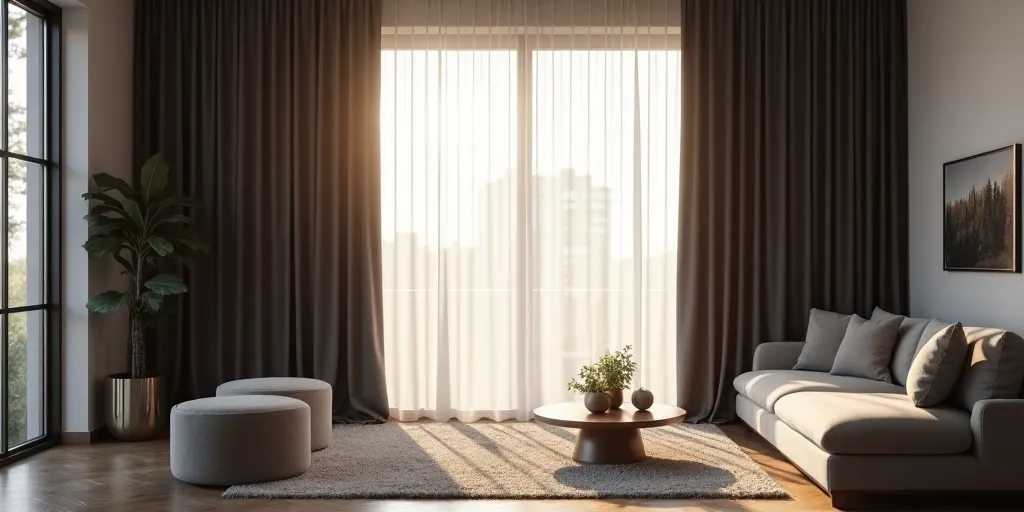
To ensure that blackout curtains hang straight or with a slight gather, there are a few key steps you can take. First, make sure that you have the right size curtain rod for your curtains. A rod that is too long or too short can cause the curtains to hang unevenly.
Next, use curtain hooks or rings to hang the curtains evenly across the rod. This will help distribute the weight of the curtains and prevent them from sagging in the middle. Additionally, consider using curtain weights or hemming tape to help the curtains hang straight and prevent them from billowing in the wind.
If you prefer a slight gather in your curtains, you can adjust the width of the curtains by adding more panels or adjusting the spacing between the hooks or rings. Finally, regularly check and adjust the curtains to ensure they are hanging straight and evenly.
By following these steps, you can ensure that your blackout curtains hang straight or with a slight gather, creating a clean and polished look in your space.
What are the benefits of accurately measuring for blackout curtains in terms of light blockage and aesthetic appeal?

Accurately measuring for blackout curtains offers numerous benefits in terms of light blockage and aesthetic appeal. By ensuring that the curtains are the correct size for the window, you can effectively block out unwanted light from entering the room, creating a dark and peaceful environment ideal for sleeping or watching movies.
This precise measurement also helps to prevent any gaps or overlaps that may allow light to seep through, maximizing the curtains’ light-blocking capabilities. Additionally, properly fitted blackout curtains can enhance the overall aesthetic of the room by creating a clean and polished look.
Ill-fitting curtains can appear sloppy and detract from the room’s decor, while perfectly measured curtains can complement the space and add a touch of sophistication. Overall, accurately measuring for blackout curtains is essential for achieving optimal light blockage and enhancing the visual appeal of any room.
By taking the time to measure carefully, you can enjoy the full benefits of blackout curtains while creating a stylish and inviting atmosphere in your home.