



Blackout curtains are designed to block out light, but they can also help reduce noise to some extent. The thick, dense fabric of blackout curtains can absorb sound waves, making them an effective barrier against outside noise.
However, it is important to note that blackout curtains are not specifically designed for noise reduction, so their effectiveness in this regard may vary depending on the type and thickness of the fabric. For optimal noise reduction, it is recommended to choose blackout curtains that are made of heavy, tightly woven materials.
Additionally, installing blackout curtains properly, ensuring they are hung close to the wall and floor, can further enhance their noise-reducing capabilities. While blackout curtains can help reduce noise levels to a certain degree, they may not completely eliminate all outside sounds.
For significant noise reduction, it may be necessary to consider additional soundproofing measures such as installing double-pane windows or using soundproofing materials.
How do blackout curtains help with noise reduction?
Blackout curtains are designed to block out light, but they also have the added benefit of helping with noise reduction. The thick, dense fabric of blackout curtains acts as a barrier to sound waves, absorbing and dampening noise from outside sources. This can be particularly beneficial for those who live in noisy urban areas or near busy streets.
By reducing the amount of noise that enters a room, blackout curtains create a more peaceful and quiet environment, making it easier to relax, sleep, or concentrate without being disturbed by external sounds.
Additionally, blackout curtains can also help to improve acoustics within a room by reducing echoes and reverberations, creating a more pleasant and comfortable space. Overall, blackout curtains are a practical and effective solution for reducing noise pollution in your home, providing both visual and auditory benefits that can enhance your overall quality of life.
Are blackout curtains effective in reducing noise levels?
Blackout curtains are indeed effective in reducing noise levels to some extent. While their primary purpose is to block out light and create a dark environment for better sleep, blackout curtains also provide a barrier that can help reduce noise from entering a room.
The thick, dense fabric of blackout curtains helps to absorb sound waves and prevent them from passing through, making them a practical solution for reducing noise pollution in your home. However, it is important to note that blackout curtains are not a complete soundproofing solution.
They can help to dampen noise levels, especially high-frequency sounds like traffic or voices, but they may not be as effective in blocking out low-frequency noises like bass or heavy machinery. For optimal noise reduction, it is recommended to pair blackout curtains with other soundproofing methods such as weatherstripping doors and windows, adding rugs or carpets to absorb sound, or installing soundproofing panels on walls.
Overall, blackout curtains can be a valuable tool in reducing noise levels in your home, but they may work best when used in conjunction with other soundproofing techniques.
What type of fabric is best for noise reduction in blackout curtains?
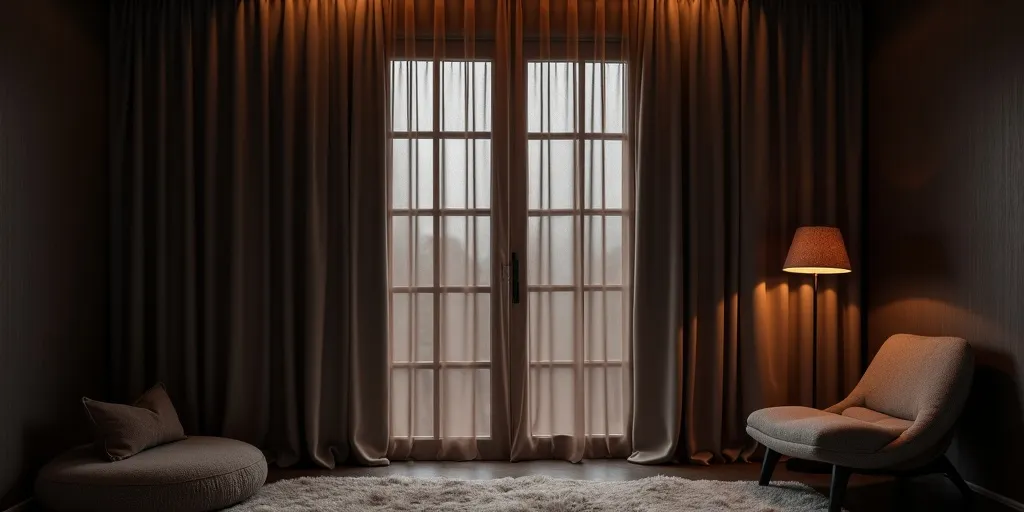
When it comes to choosing the best fabric for noise reduction in blackout curtains, it is important to consider several factors. One of the most effective fabrics for noise reduction is heavyweight, tightly woven materials such as velvet or suede.
These fabrics have a dense construction that helps to absorb sound waves and reduce noise levels in a room. Additionally, fabrics with a thick lining or backing can also help to block out unwanted noise. Look for curtains that are specifically designed for soundproofing, as they often feature multiple layers of fabric and insulation to provide maximum noise reduction.
Another important factor to consider is the weight of the fabric, as heavier materials tend to be more effective at blocking out noise. Overall, the best fabric for noise reduction in blackout curtains is one that is heavyweight, tightly woven, and has a thick lining or backing.
By choosing the right fabric for your blackout curtains, you can create a peaceful and quiet environment in your home.
Can blackout curtains completely eliminate outside sounds?
Blackout curtains are designed to block out light, but can they also eliminate outside sounds? While blackout curtains are effective at reducing the amount of light that enters a room, they are not specifically designed to block out sound. However, blackout curtains can help to dampen outside noises to some extent.
The thick, dense fabric of blackout curtains can absorb and muffle sounds, making them a good option for those looking to create a quieter environment in their home. Additionally, blackout curtains can also help to reduce echoes and reverberations in a room, further contributing to a quieter space.
While blackout curtains may not completely eliminate outside sounds, they can certainly help to minimize them and create a more peaceful and quiet atmosphere in your home. For those looking to completely block out outside noises, additional soundproofing measures may be necessary, such as installing soundproof windows or doors.
How should blackout curtains be installed for optimal noise reduction?
To install blackout curtains for optimal noise reduction, there are several key steps to follow. First, it is important to choose the right type of blackout curtains that are specifically designed for soundproofing. These curtains are typically made with multiple layers of thick, dense fabric that can help absorb and block out noise.
When installing the curtains, make sure they are properly fitted to the window frame to create a tight seal and prevent any gaps where sound can leak through. It is also recommended to install a curtain rod that extends beyond the window frame to ensure the curtains can be fully closed and cover the entire window area.
Additionally, consider using curtain hooks or rings to keep the curtains close to the wall, further enhancing their noise-reducing properties.
Finally, for maximum effectiveness, it is advisable to install blackout curtains in combination with other soundproofing measures such as weather stripping, acoustic panels, or rugs to create a more soundproof environment. By following these steps, you can effectively reduce noise levels in your space and create a more peaceful and quiet atmosphere.
Do blackout curtains absorb sound waves effectively?
Blackout curtains are designed to block out light and provide privacy in a room, but do they also absorb sound waves effectively? While blackout curtains are not specifically designed to absorb sound, their thick and dense material can help reduce noise levels to some extent.
The heavy fabric of blackout curtains can help dampen sound waves by preventing them from bouncing off hard surfaces and traveling through windows. This can be particularly beneficial in reducing outside noise such as traffic or construction sounds. However, it is important to note that blackout curtains are not as effective as specialized soundproofing materials in absorbing sound waves.
For optimal sound absorption, additional measures such as acoustic panels or soundproofing foam may be necessary. In conclusion, while blackout curtains can help reduce noise levels in a room, they are not a foolproof solution for soundproofing.
It is recommended to combine blackout curtains with other soundproofing methods for maximum effectiveness in reducing unwanted noise.
What additional measures can enhance noise reduction with blackout curtains?
In addition to using blackout curtains to reduce noise, there are several additional measures that can enhance noise reduction in your home. One effective method is to install a second layer of curtains behind the blackout curtains, creating a double barrier to block out sound.
This extra layer can be made of heavy, dense fabric or soundproofing material to further absorb and dampen noise. Another option is to add weatherstripping around windows and doors to seal any gaps that may be letting in outside noise. Additionally, using rugs, carpets, and upholstered furniture can help absorb sound and reduce echoes in a room.
Soundproofing panels or acoustic tiles can also be installed on walls or ceilings to further reduce noise levels. Finally, incorporating sound-absorbing materials such as curtains, drapes, or blinds can help to minimize noise reflections and reverberations in a room.
By combining these additional measures with blackout curtains, you can create a more peaceful and quiet environment in your home.
Are blackout curtains specifically designed for noise reduction?
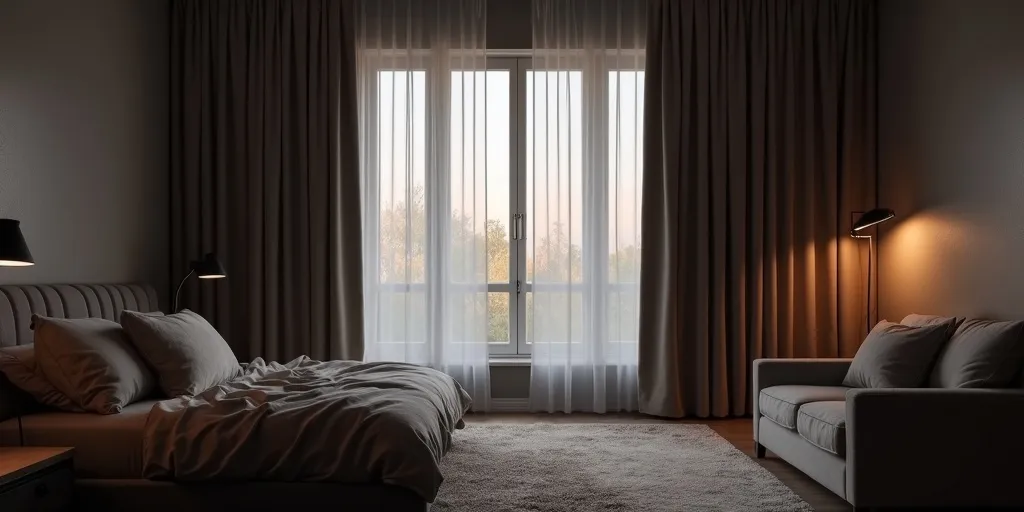
Blackout curtains are specifically designed to block out light and create a dark environment for better sleep or to enhance privacy. While blackout curtains are not specifically designed for noise reduction, they can help to reduce noise to some extent.
The thick, dense fabric used in blackout curtains can help to absorb sound waves and reduce the amount of noise that enters a room. However, it is important to note that blackout curtains are not as effective at reducing noise as specialized soundproofing materials or curtains designed specifically for noise reduction.
If noise reduction is a primary concern, it may be more effective to invest in curtains that are specifically designed for this purpose. Additionally, using blackout curtains in combination with other soundproofing techniques, such as sealing gaps around windows and doors, can help to further reduce noise levels in a room.
Ultimately, while blackout curtains can provide some level of noise reduction, they are not the most effective solution for blocking out unwanted sounds.
What factors can affect the effectiveness of blackout curtains in reducing noise?
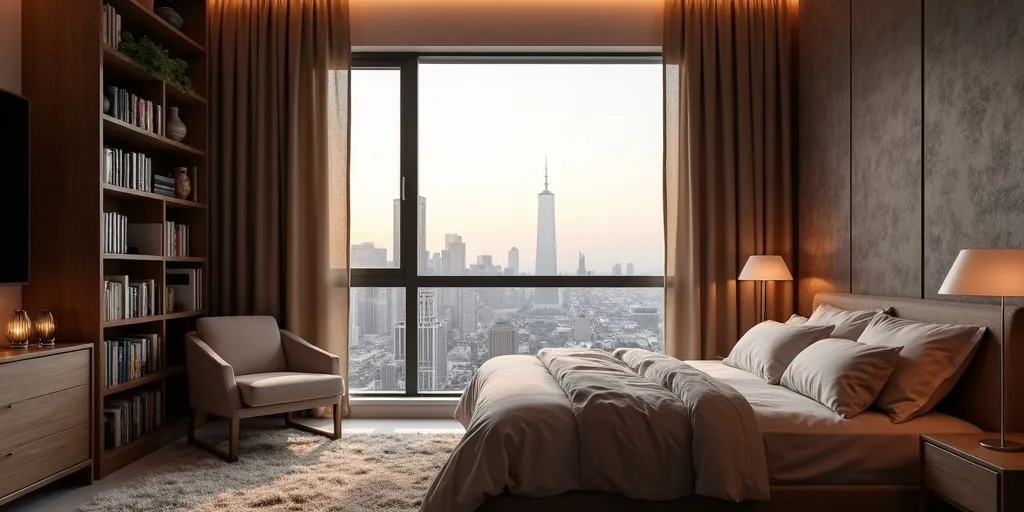
Several factors can affect the effectiveness of blackout curtains in reducing noise. The thickness and density of the fabric used in the curtains play a significant role in blocking out sound. Thicker and heavier fabrics are more effective at absorbing and dampening noise compared to lighter materials.
Additionally, the design and construction of the curtains, such as the presence of multiple layers or a tight weave, can also impact their noise-reducing capabilities. Proper installation of blackout curtains is crucial in ensuring maximum effectiveness in reducing noise.
Ensuring that the curtains are properly fitted to the window and that there are no gaps or openings for sound to seep through is essential. The size and placement of the curtains in relation to the window and surrounding walls can also affect their ability to block out noise effectively.
Lastly, the overall environment in which the curtains are placed, such as the presence of other sound-absorbing materials or the level of ambient noise, can influence their effectiveness in reducing noise. By considering these factors, one can optimize the effectiveness of blackout curtains in creating a quieter and more peaceful living space.